
***Click here for photos.***
WASHINGTON, D.C. – Hundreds of leaders and industry stakeholders from around the world attend the Nuclear Deterrence Summit each year to discuss issues facing the defense sector and the evolution of nuclear deterrence strategies and capabilities. This year’s summit focuses on removing barriers to production, accelerating capability development, and sustaining the resilience and readiness of America’s nuclear deterrent.
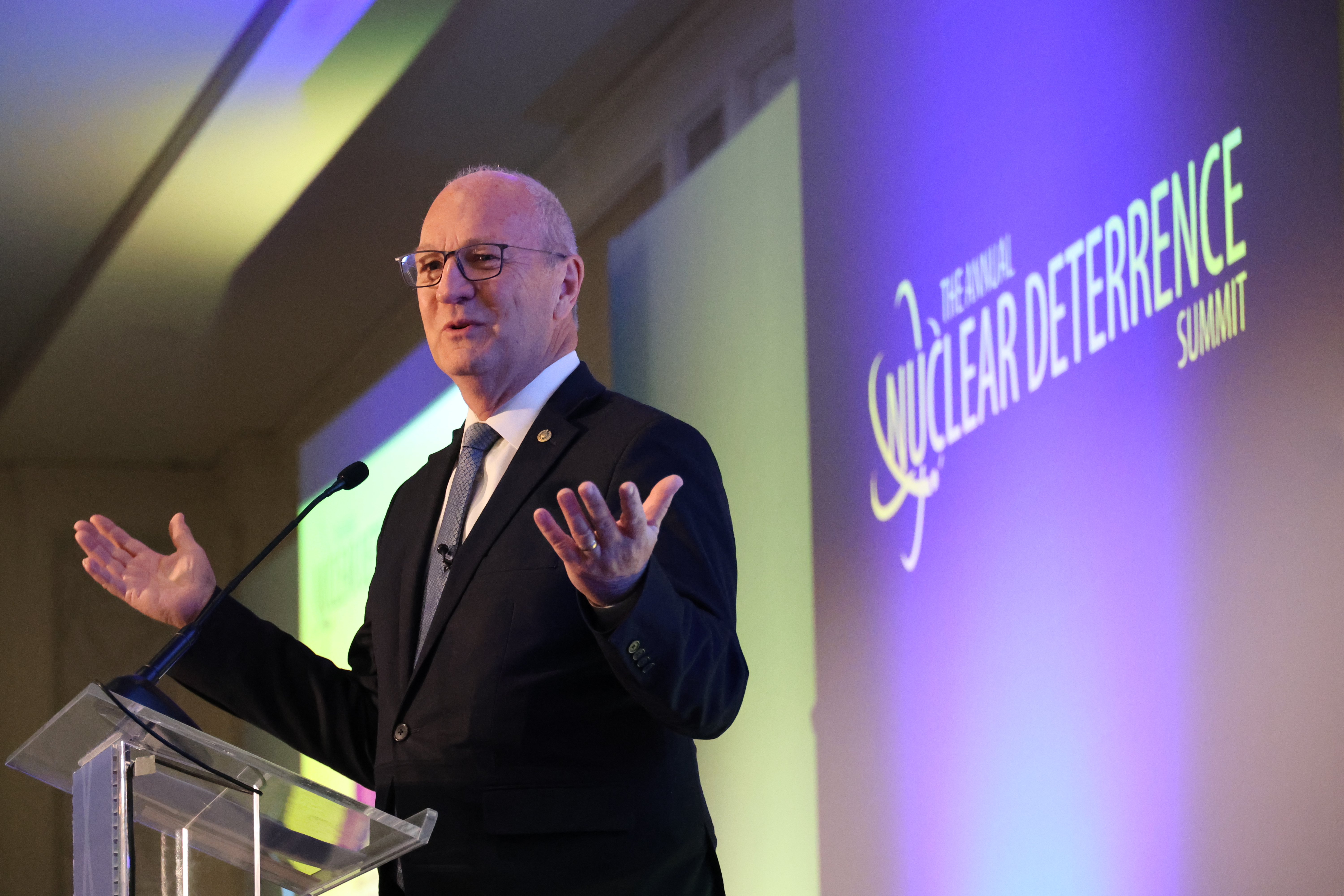
Speaking at the event today, U.S. Senator Kevin Cramer (R-ND), chair of the Senate Armed Services (SASC) Airland Subcommittee and co-chair of the Senate Defense Modernization Caucus, highlighted:
He emphasized the strength of the nation’s nuclear triad is greater than the sum of its parts and stressed the need for tighter alignment among industry, government, and military leaders to deliver deterrence on pace with national security demand.
“Deterrence isn't just a weapon system—it’s also an attitude,” said Cramer. “We're learning a tough lesson, that it's more efficient, more effective—and a greater deterrent—to maintain the best military in the world, than it is to have to rebuild it every 40 or 50 years. The one constant has been that nuclear deterrence is still the top priority.”
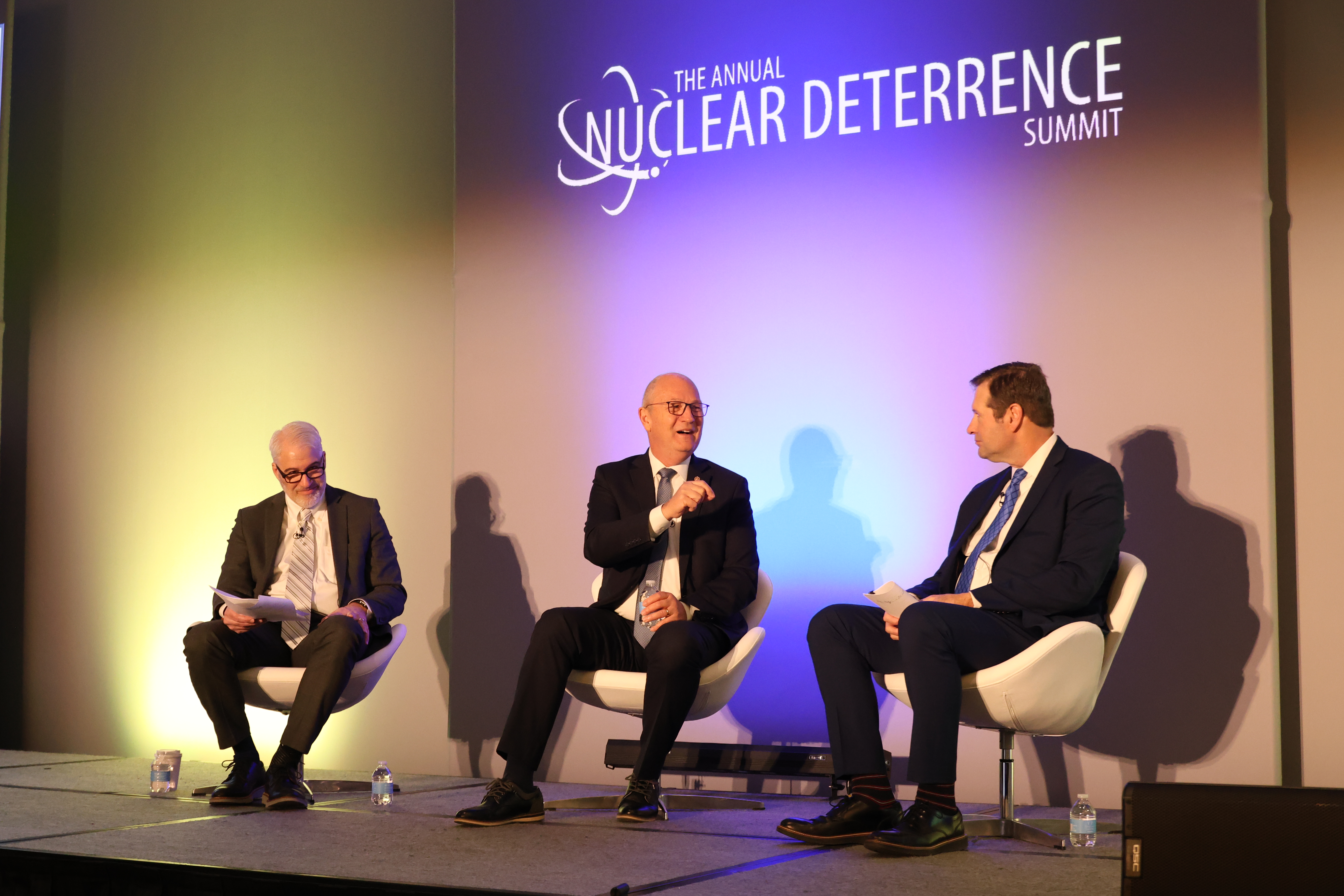
Additional speakers included Commander of U.S. Strategic Command Admiral Richard Correll and Undersecretary for Nuclear Security at the Department of Energy Brandon Williams.
With foreign nuclear threats on the rise, U.S. officials emphasized the enduring importance of the nation’s nuclear triad. President Donald Trump’s 2026 National Defense Strategy calls for a “strong, secure, and effective nuclear arsenal,” with renewed focus on deterrence. As the first North Dakotan to serve on SASC, Cramer has made modernization of U.S. nuclear deterrence a top priority, citing its role in maintaining national security and credibility with adversaries.
As the Air Force’s only dual-wing nuclear-capable installation, Minot AFB plays a central role in the mission. Cramer frequently brings senior defense leaders to the base to observe its operations up close. Previous visits have included former Secretary of Defense Mark Esper, former Air Force Vice Chief of Staff General James Slife, former Air Force Undersecretary Melissa Dalton, former Air Force Chief of Staff General David Allvin, and former Secretary of the Air Force Frank Kendall.
Minot AFB supports both the air-based and land-based legs of the nuclear triad, with B-52 Stratofortress bombers and ICBM silos. As chair of the SASC Airland Subcommittee, Cramer helped shape the Fiscal Year 2026 National Defense Authorization Act (NDAA), signed into law on Dec. 18, which advances key nuclear modernization efforts. The legislation supports upgrades to the B-52 fleet, including new radar, engines, and modernized weapons to extend the aircraft’s operational relevance well into the future.
The NDAA also advances the Sentinel ICBM program, which will replace the aging Minuteman III system after more than 50 years of service. The law provides $3.8 billion for Sentinel development, building on a $2.5 billion investment included in a separate budget reconciliation bill, and mandates a minimum force of 400 ICBMs. The funding reflects bipartisan support for sustaining a modern, reliable nuclear deterrent.